
California moves to exempt Linux from its age-verification law after backlash
California has moved to exempt Linux from its age-verification law after facing backlash from the tech community, with over 200 comments on the issue

California has moved to exempt Linux from its age-verification law after facing backlash from the tech community, with over 200 comments on the issue
California is moving to exempt Linux from its age-verification law after a backlash from the tech community, with the proposed amendment coming from t
Turning raw logs into engineering best practices means shifting from reactive debugging to proactive observability: standardize structured logs, centralize them, turn them into golden-signal metrics and actionable alerts, codify what you learn, and put it on a dashboard.
It's becoming increasingly evident that the traditional boundaries between different types of memory are blurring.
It's becoming increasingly evident that the internet has become too American to trust.
The emergence of Opstan, a decentralized social network on a Proof of Work (PoW) blockchain, is a significant indicator of this change.
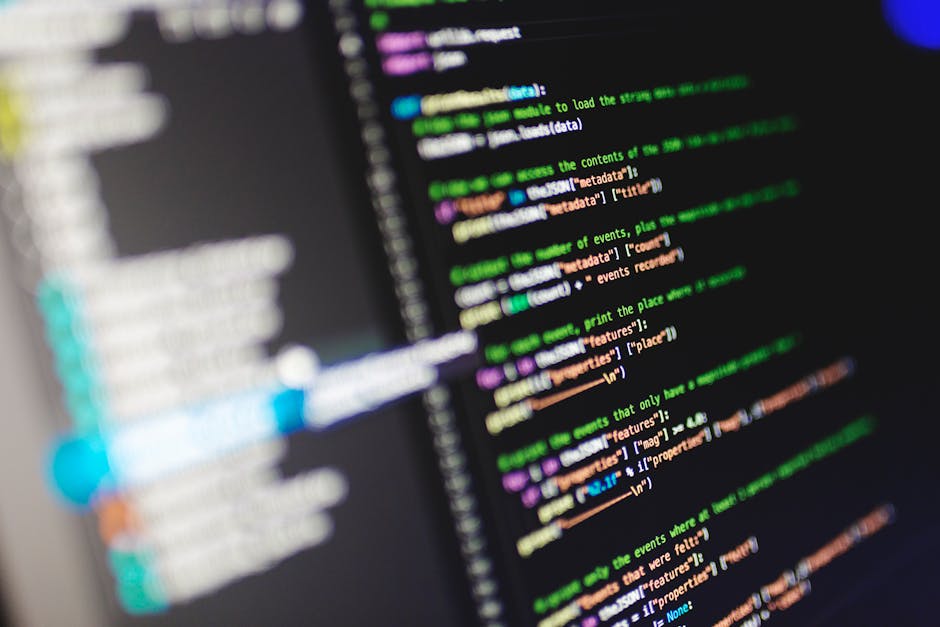
The latest development is Perry, a compiler that can directly compile TypeScript to executables using SWC and LLVM.

It's becoming increasingly apparent that not everyone is a fan of React.

The recent posting on HackerNews about an open-source private home security camera system with end-to-end encryption is a telling sign.
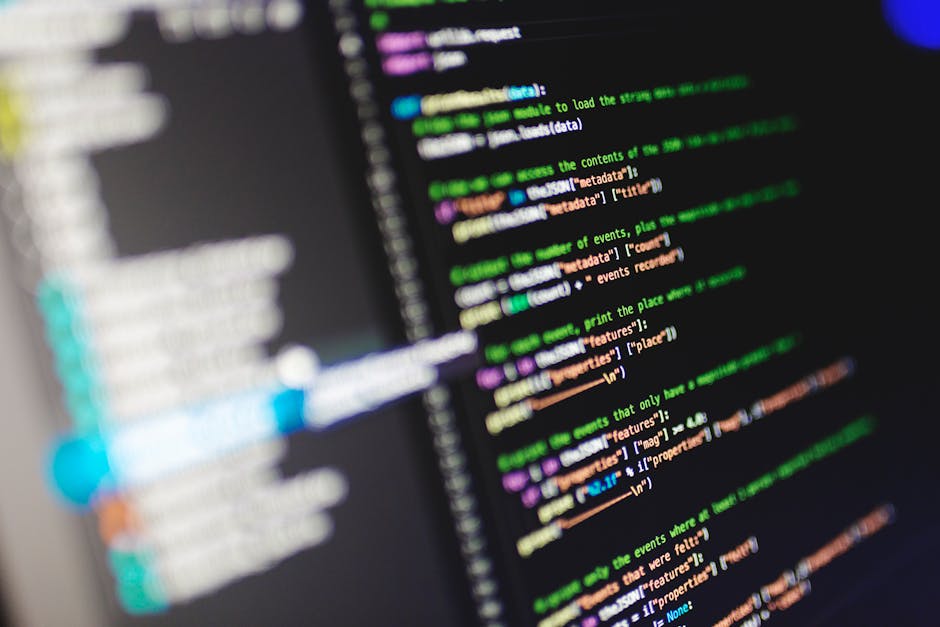
Technical debt exists on a spectrum from slightly annoying to existential risk. Most engineering teams manage it with a combination of instinct and complaint. Engineers know roughly which parts of the codebase are painful, but there is no systematic view of the debt portfolio and no principled framework for deciding

A 45-minute CI pipeline is a tax on every engineer every day. If your team runs 50 builds per day and each build takes 45 minutes instead of 12 minutes, that is 27.5 hours of wall-clock time lost daily, plus the context-switching cost of engineers waiting for CI before

The standard engineering hiring screen, LeetCode-style algorithm problems, timed under pressure, on a platform with an unfamiliar IDE, measures one thing with reasonable reliability: the candidate's ability to solve algorithm problems under pressure on an unfamiliar platform. This correlates with job performance at approximately the same level as

tech
Architecture Decision Records exist to solve a recurring and expensive problem: six months after a significant technical decision was made, nobody remembers why it was made, the person who made it has left, and the team is either relitigating it or making a downstream decision that conflicts with it. ADRs

tech
On-call burnout is an engineering retention problem disguised as a scheduling problem. Engineers who are chronically on-call, who lose sleep regularly, who cannot make weekend plans, who feel like they are always one alert away from a two-hour incident, leave. Not immediately, but steadily. The turnover is expensive and the
tech
Ghost is known as a publishing platform. Most CTOs think of it as a blog engine. That framing misses what Ghost actually is at the infrastructure level: a headless CMS with a well-documented REST API, a Lexical-based content model, granular access control, and a built-in member authentication system. For a

tech
Microservices have been the dominant architectural recommendation in software engineering for a decade. The case for microservices, independent deployability, team autonomy, technology flexibility, is well-understood. Less well-understood is what actually happens when teams decompose a working monolith into microservices prematurely, and how many of the failures blamed on the monolith
tech
The AI code review landscape in 2026 looks nothing like the hype from two years ago. The tools have matured, the use cases have clarified, and the teams that have gotten real value from them have mostly figured out what to use, what to skip, and what category of problem

jobs

newsletter
The x86 era is not over, but it has lost the momentum. The shift that Apple started in 2020 with the M1 has completed its first arc: ARM-based silicon now dominates the high-performance laptop market, is the cost-performance leader in cloud compute, and is rapidly infiltrating the data center. If
newsletter
SaaS reviews, software comparisons, and the tech stack for modern teams.